India Rejects Nepal’s ‘Unjustified’ Claim Over Lipulekh Route for Mansarovar Yatra (X)
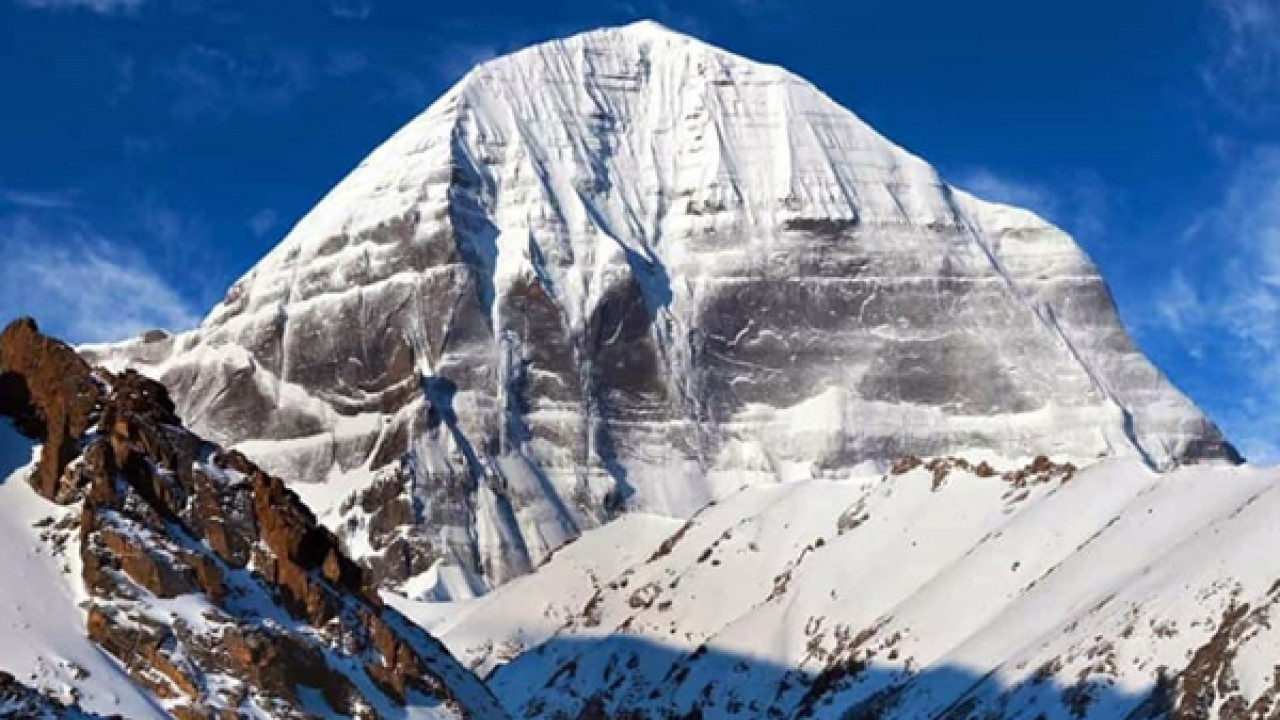
New Delhi: A two hundred years old treaty. The origin of a river and a border dispute based on it, which has never been completely resolved. On April 30, India announced that between June and August 2026, the Kailash Mansarovar Yatra will take place through Lipulekh Pass and Nathu La in Sikkim. This was enough to break Nepal's silence. On Sunday, Kathmandu handed over diplomatic notes to both India and China and India responded bluntly within hours.
Nepal's Foreign Ministry issued a six-point statement on Sunday evening. Earlier, questions were being raised in the local media as to why the Balen Shah government is silent on the issue of Lipulekh. Foreign Ministry spokesperson Lok Bahadur Thapa Chhetri confirmed that formal notes have been sent to both India and China. Foreign Minister Shishir Khanal said that this step has been taken after consultation with political parties.
The root of the dispute is the Sugauli Treaty of 1816. That treaty designated the Mahakali River as Nepal's western boundary but did not specify where the river originated. Nepal argues that the river originates from Limpiyadhura, hence Kalapani and Lipulekh falling to its east also belong to Nepal. India says that the river originates further east, hence this area belongs to it. India also presents British revenue and administrative records from the 1830s in its favour.
External Affairs Ministry spokesperson Randhir Jaiswal said, "Lipulekh has been the route of Kailash Mansarovar Yatra since 1954, the Yatra has been taking place here for decades, this is nothing new." On Nepal's territorial claims, he said, "These claims are based neither on history nor on facts. Such expansion of unilateral claims is unacceptable."
Last year, in the SCO meeting, the then prime minister of Nepal Oli had raised the issue of Lipulekh with Jinping. China's response was, "This is a matter between India and Nepal, resolve it through mutual understanding." Neither confirmation nor denial of the claim.
India has kept the door open for talks, saying pending border issues can be resolved through diplomacy. Nepal is also talking about dialogue but is also saying that the voice of a small country between two big neighbors cannot be ignored. The journey will begin in June and the dispute does not seem to be resolved before then.





Copyright © 2026 Top Indian News